Why Do Plants Need Specific Light Wavelengths for Growth?

Time:2026-07-19 Author:Charlotte
0%

Plants rely on specific wavelengths of light for their growth and development. Understanding this helps optimize their environment. This leads to a critical question: what spectrum of light do plants need most?

Plants primarily use red and blue light for photosynthesis. Red light promotes flowering and fruiting. Blue light supports vegetative growth. Different plants may have varying needs. This creates a challenge when growing diverse species together.

Gardening experts emphasize the importance of tailored light solutions. There are nuances in light penetration and energy absorption. Some indoor plants might thrive under specific artificial lights. Others may struggle without natural sunlight. Reflecting on light requirements can enhance plant health and yield.
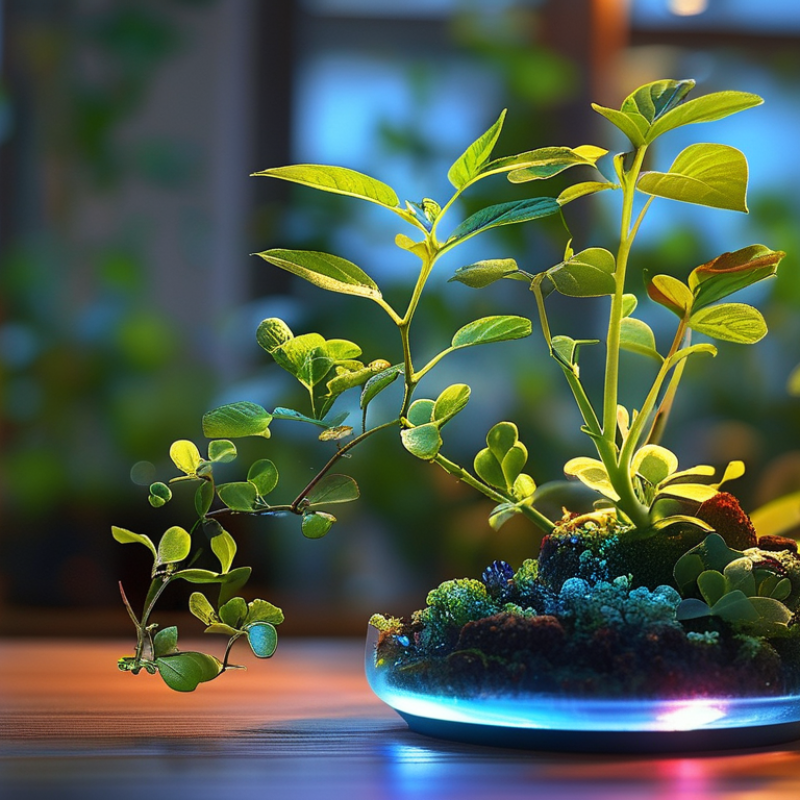
Why Do Plants Need Specific Light Wavelengths for Growth?

The Role of Light in Plant Photosynthesis and Growth

Light plays a critical role in plant photosynthesis and growth. Plants primarily utilize specific wavelengths of light, predominantly in the blue (400-500 nm) and red (600-700 nm) ranges. Research indicates that these wavelengths are vital for chlorophyll absorption. Studies show that plants can be up to 30% more efficient in photosynthesis when exposed to the right light spectrum.

In a controlled environment, such as a greenhouse, the light spectrum can be manipulated to maximize growth. Data from the American Society of Horticultural Science highlights that plants exposed to a mixture of red and blue light experience improved leaf area and sturdier stems. However, light intensity and duration also matter significantly. Some growers may use inadequate lighting or improper spectrums, leading to suboptimal growth outcomes.

The impact of light on plant health cannot be overstated. Not all wavelengths are equally beneficial. Ultraviolet (UV) light, for example, while useful in small doses, can damage plant tissues if levels are too high. Understanding these nuances is crucial for effective plant cultivation. Adjusting light conditions based on specific growth stages can yield better results. Ongoing research continues to refine our understanding of these dynamics, emphasizing the importance of tailored lighting strategies in horticulture.

Understanding Photosynthetically Active Radiation (PAR) Spectrum

Plants rely heavily on specific light wavelengths for their growth. The photosynthetically active radiation (PAR) spectrum is essential for photosynthesis. PAR includes wavelengths from 400 to 700 nanometers. This range covers red, blue, and some green light. Each of these colors plays a distinct role in plant development.

Plants absorb red light most efficiently. It's crucial for flowering and fruiting. Blue light supports vegetative growth and leaf development. Interestingly, while green light is less absorbed, it helps penetrate dense canopies. This light can influence plant behavior in unique ways, like opening stomata. However, not all plants respond the same way to these wavelengths, leading to various growth outcomes.

Understanding the PAR spectrum is vital for optimizing plant health. Researchers continually explore how different wavelengths affect growth rates and nutrient uptake. Sometimes, the results may contradict previous theories. This reflects the complexity of plant biology. As we study more, we gain insights that could enhance agricultural practices. This evolving knowledge challenges our assumptions about light and growth.

Key Wavelengths: Blue (400-500 nm) and Red (600-700 nm)

Plants thrive on specific light wavelengths, particularly blue and red light. The blue light, ranging from 400 to 500 nm, plays a crucial role in plant development. It helps regulate photosynthesis and is vital for leaf growth. Plants absorb blue light effectively, which encourages dense foliage and robust stems.

Red light, on the other hand, ranges from 600 to 700 nm and is significant for flowering and fruit production. It influences the plant's growth cycle and can help trigger flowering in many species. Both wavelengths work together to optimize energy absorption. Balanced exposure to blue and red light can lead to healthier plants.

Tips: Consider using LED grow lights that emit these key wavelengths. Monitor how your plants respond to light changes. Adjust the light duration and intensity based on their growth patterns. Experimentation can reveal what works best for your specific plants. Observing their growth can help you refine your approach over time.

Effects of Light Quality on Plant Hormones and Development

Plants exhibit remarkable sensitivity to light quality, which profoundly influences their growth and development. Different light wavelengths trigger various hormonal responses. For instance, blue light stimulates the production of auxins, promoting stem elongation and root growth. Conversely, red light has a unique effect, enhancing photosynthesis and flowering through the production of gibberellins. This interplay between light and hormones is crucial for optimal plant health.

Inadequate light quality can stunt growth and disrupt development. Plants exposed primarily to green light may experience hormonal imbalances. Growth may become uneven, leading to weak stems or poor root systems. While plants rely on light for energy, the specific wavelengths they absorb also shape their physiological responses. The ideal light spectrum supports balanced hormone production vital for various growth phases.

Understanding these dynamics allows for improved cultivation practices. It is essential to analyze how different light sources affect plants. Customizing light conditions can optimize growth outcomes. However, this area of research still requires further exploration. The nuances of light quality and its effects on hormones remain complex and worthy of continued study.

Why Do Plants Need Specific Light Wavelengths for Growth? - Effects of Light Quality on Plant Hormones and Development

Light Wavelength (nm) Effect on Plant Growth Influenced Hormone Developmental Stage
450 Enhances photosynthesis Auxins Vegetative
660 Promotes flowering Gibberellins Reproductive
730 Inhibits stem elongation Cytokinins Mature
440 Affects leaf development Brassinosteroids Early growth
570 Enhances fruit ripening Ethylene Fruiting

Impact of Light Intensity and Duration on Plant Growth Dynamics

Light plays a crucial role in plant growth. Both intensity and duration directly affect how plants develop. Research indicates that plants tend to thrive under specific light wavelengths. Yet, the interplay between light intensity and duration complicates this relationship. A study published in the Journal of Plant Nutrition highlights that increased light intensity, combined with optimal duration, can enhance photosynthesis by up to 25%.

However, not all plants respond positively to high light levels. Some species may suffer from light stress, leading to reduced growth. This stress can occur at light intensities exceeding 600 µmol m−2 s−1. Additionally, light duration is equally important. A report from the American Society of Horticultural Science notes that many plants require at least 12-16 hours of light per day for robust growth. Compromising on duration can stunt their development.

In a controlled environment, maintaining the right balance of light intensity and duration is essential. Excessive or insufficient light can hinder growth cycles. For instance, a common mistake involves using high-intensity lights for too long, resulting in leaf burn. Reflecting on these factors can help growers optimize conditions for varied plant species, ensuring both healthy growth and yield.

FAQS

: What role does light play in plant growth?

: Light is critical for plant photosynthesis and growth, influencing efficiency significantly.

Which light wavelengths are most beneficial?

Plants primarily utilize blue (400-500 nm) and red (600-700 nm) light for optimal growth.

How does light spectrum affect plant health?

A mixture of red and blue light improves leaf area and stem strength in plants.

What happens if plants receive inadequate lighting?

Inadequate light can lead to suboptimal growth outcomes, affecting overall plant health.

Can UV light be harmful to plants?

Yes, while UV light has benefits at low levels, excessive exposure can damage plant tissues.

What is the photosynthetically active radiation (PAR) spectrum?

PAR includes wavelengths from 400 to 700 nanometers, covering red, blue, and some green light.

How does each color in the PAR spectrum contribute to growth?

Red light is crucial for flowering, blue light supports leaf growth, and green light helps with light penetration.

Do all plants respond the same to light wavelengths?

No, plant responses to light wavelengths can vary, affecting growth outcomes differently.

Why is it important to understand light's impact on plants?

Understanding light helps optimize growth conditions and informs tailored horticultural practices effectively.

How can light conditions be adjusted for better growth?

Adjusting light intensity and spectrum based on growth stages can lead to improved plant results.

Conclusion

Plants require specific light wavelengths for optimal growth, primarily engaging in photosynthesis through the utilization of light from the photosynthetically active radiation (PAR) spectrum. This spectrum ranges from blue light (400-500 nm) and red light (600-700 nm), both of which play crucial roles in stimulating photosynthesis and regulating plant hormones. Blue light encourages vegetative growth, while red light promotes flowering and fruiting processes.

Moreover, the quality of light influences not only photosynthesis but also overall plant development and hormonal responses. Light intensity and duration further contribute to growth dynamics, impacting how plants harness energy for their growth processes. Understanding the specific spectrum of light that plants need most allows for better cultivation practices and optimized growth conditions, ensuring healthy and robust plant development.

Charlotte

Charlotte

Charlotte is a seasoned marketing professional with a deep understanding of the company's portfolio and a passion for elevating its presence in the market. With a keen eye for detail and a commitment to excellence, she ensures that our professional blog is regularly updated with insightful articles......