When considering indoor gardening, one critical question arises: "How far should horticulture lights be from plants?" The positioning of grow lights affects plant health, growth rate, and overall yield. If lights are too close, plants may experience heat stress or light burn. Conversely, if they are too far away, plants might not receive adequate light, leading to weak, leggy growth.
Understanding the right distance can vary depending on the type of light and plant species. For example, LED lights typically require a distance of 12 to 24 inches, while fluorescent lights may need to be closer. Observing plant reactions will provide insights into adjustments needed for optimal growth.
It is also important to note that environmental factors play a significant role in growth. Humidity and temperature can influence how plants respond to light placement. Reflecting on these variables helps gardeners fine-tune their setups. Accurate adjustments can be the difference between thriving or struggling plants. Understanding how far to place horticulture lights is not a one-size-fits-all scenario; experimentation is often necessary for the best results.
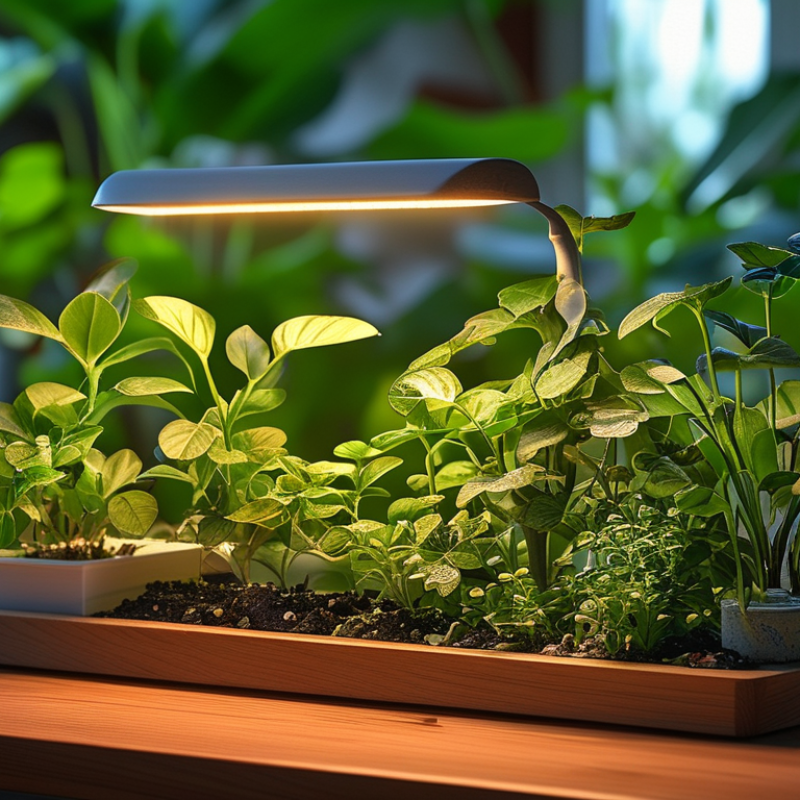
The distance between horticulture lights and plants is crucial for optimal growth. Too far, and plants may not receive enough light energy. Too close, and plants risk light burn or stress. Industry studies suggest an ideal distance of 12 to 24 inches for most plants under LED lights. This range allows for balanced light intensity without overwhelming young seedlings.
Research indicates that light intensity can vary significantly with distance. For instance, a study by the American Society for Horticultural Science found that light intensity decreases by about 75% when the distance increases from 12 inches to 24 inches. This drop can lead to slower growth rates and weaker plants. Understanding specific light requirements for different plant types is essential. Some plants thrive under low light, while others need full exposure.
Many growers often overlook these details. They might not adjust light distances based on the growth stage of the plant. This oversight can result in less-than-ideal growing conditions. Even with reliable equipment, improper positioning can lead to inadequate photosynthesis. Growers should be prepared to experiment and find the best distance for their unique growing environment.
When considering the optimal distance for horticulture lights from plants, several factors play a significant role. The type of plant is a key element. Some plants thrive under intense light, while others prefer a gentler approach. For example, leafy greens often need less light than fruiting plants.
Light intensity matters too. The closer the light source, the more intense the illumination and heat. It's crucial to monitor plants for signs of stress. If leaves start to yellow or crisp, the lights may be too close. Conversely, if plants stretch towards the light, they may need to be positioned closer to improve growth.
Tips: Position lights about 12 to 24 inches away for most houseplants. Adjust based on plant type and growth stage. Regularly check plant health to determine if adjustments are needed.
Humidity and temperature also affect how plants respond to lighting. High humidity can soften the impact of heat from lights, allowing for closer placement. However, in drier conditions, more distance may be necessary. Keep a close eye on your environment and be flexible. Each setup may require different tweaks to achieve optimal results.
When setting up horticulture lights, distance is crucial for optimal plant growth. Each plant species has specific light needs, influencing how far lights should be. Generally, fluorescent lights can be placed 12 to 24 inches above plants. For LED lights, a range of 18 to 30 inches is common. Ensure to monitor plant response as they grow.
Tips: Adjust the height of lights regularly. Some plants grow taller and may need light closer to their leaves. Always observe changes in leaf color. Discoloration might signal that lights are too close or too far away.
While these guidelines provide a starting point, they are not foolproof. Each situation is unique. Factors such as light intensity and plant type can change the effective distance. Experimentation can help find the perfect setup for specific plants. Keep notes on plant reactions to various distances to refine your approach.
This chart illustrates the optimal distance in inches for horticulture lights from plants during various growth stages, ensuring optimal growth conditions.
When discussing the ideal distance for horticulture lights, one must consider the signs of inadequate lighting. Plants will exhibit clear symptoms when they are not receiving enough light. Yellowing leaves are a common indication, often signaling stress from insufficient light. This can lead to stunted growth and weak stems. Inadequate light affects the entire health of the plant.
Another sign to look for is leggy growth. When plants stretch toward the light source, they lose their compact structure. This results in longer, spindly stems and weak plants. In some cases, growth may almost stop altogether. If you notice these signs, it’s time to reevaluate the distance of your lights.
[Image] Burning tips on leaves may also indicate that lights are set too close. This condition happens when plants receive excess light and heat. Adjusting your lighting setup is crucial to prevent damage. Observing your plants closely will provide valuable insights into their specific needs. Regular adjustments may be necessary to achieve optimal growth conditions.
When growing plants indoors, adjusting the height of horticulture lights is crucial. Each growth stage requires different light distances for optimal results. Seedlings are delicate and thrive best with lights positioned 12 to 24 inches away. This distance prevents light stress while promoting even growth. According to a report from the American Society for Horticultural Science, seedlings benefit from gentle light, allowing them to develop strong roots and leaves.
As plants transition to the vegetative stage, the light should be moved closer, around 12 to 18 inches. Increased light intensity supports robust growth and encourages bushier plants. However, be cautious—too much light can lead to leaf burn. A study by the University of Florida suggests observing leaf color and health to determine if the light height is suitable. If leaves start curling or turning yellow, it might be time to reassess the light position.
In the flowering stage, plants require even more light energy. Hanging lights around 10 to 14 inches away can stimulate blooming. It’s fascinating to note that some growers report slight variations in height based on specific plant types. This variability highlights the importance of tailoring light distance to individual needs. Every growing environment is unique, and small adjustments can make a significant difference.
: Position lights about 12 to 24 inches away for most houseplants.
Some plants need more light, while others thrive with less. Leafy greens usually require less intense light.
Yellowing leaves and stunted growth often signal insufficient lighting conditions.
High humidity may allow closer light positioning, while dry conditions might require more distance.
Plants may develop burning tips on leaves from excess light and heat.
Regular checks help you determine if adjustments to light distance are necessary.
Leggy growth suggests that plants are stretching toward the light due to inadequate light levels.
Be prepared to make regular adjustments, as each plant environment is unique.
Yes, closer lights can increase surrounding heat, stressing plants if not monitored.
If the plant stretches or leans towards the light source, it's a sign to adjust the distance.
In horticulture, understanding "how far should horticulture lights be from plants" is crucial for promoting optimal growth. The distance between lights and plants can significantly influence photosynthesis and overall health, making it essential to consider factors such as light intensity, plant species, and growth stages. General guidelines suggest varying distances based on these criteria, ensuring plants receive adequate light without the risk of burning.
Signs of inadequate lighting distance may include leggy growth, discoloration, or stunted development, indicating that adjustments are necessary. As plants progress through different growth stages, the height of the horticulture lights should be modified accordingly to provide the most effective light exposure. By paying attention to these elements, growers can foster healthier plant development and maximize yield.

Pina Light