Choosing the right lighting for your cabinets can be challenging. One crucial decision is how to choose between IP20 and IP65 for cabinet lights. These two ratings indicate the level of protection against dust and moisture. Understanding these ratings is essential for effective lighting.
IP20 offers basic protection. It is suitable for dry, indoor areas. This rating does not shield lights from dust or moisture. On the other hand, IP65 provides a higher level of security. It is dust-tight and water-resistant, making it ideal for humid environments. Think about your cabinet's location. If it's in a kitchen or bathroom, IP65 may be a better option.
Why does this matter? Choosing incorrectly can lead to damage or failure of the lights. Investing time in this decision pays off. Proper lighting not only enhances visibility but also improves aesthetics. Reflecting on your needs is crucial. Do you prioritize durability or simplicity? Consider these factors carefully to make an informed choice.
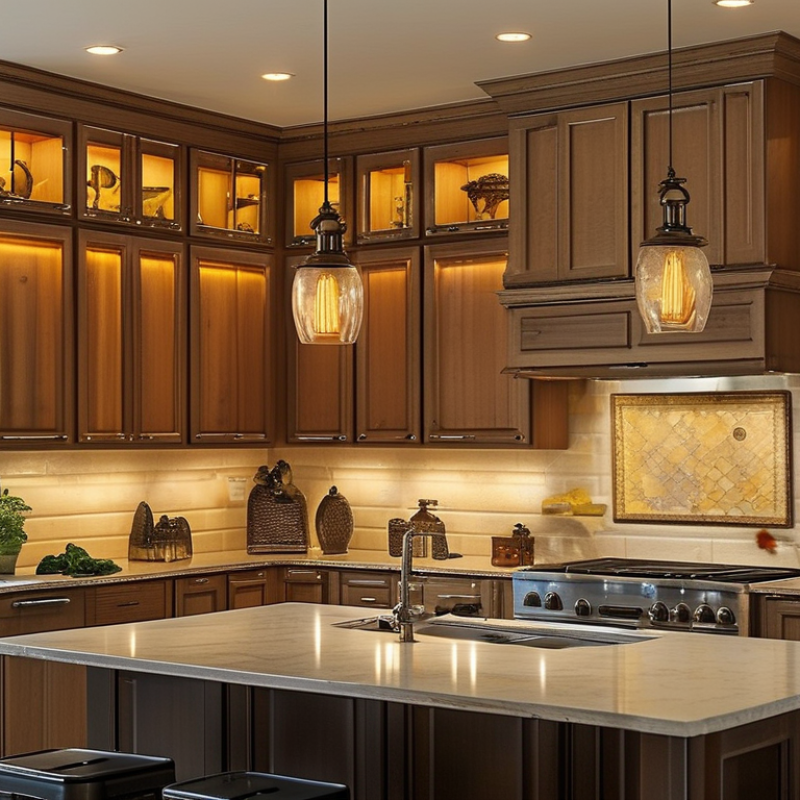
Understanding IP Ratings and Their Importance in Cabinet Lighting
When selecting cabinet lights, understanding IP ratings is crucial. The IP code, or Ingress Protection, indicates how well a fixture resists dust and moisture. An IP20 rating means the light is protected from dust, but not moisture. On the other hand, IP65 rated lights are completely dust-tight and can withstand low-pressure water jets from any direction. This distinction is critical for safety and longevity in various environments.
Industry reports indicate that around 30% of issues in lighting are related to inadequate protection from environmental factors. For instance, in kitchens and bathrooms where humidity is prevalent, IP65 fixtures are preferable. They reduce the risk of electrical failures and increase the life expectancy of the lights. In contrast, using IP20 lights in such areas could lead to corrosion and eventual malfunction.
Yet, choosing the right IP rating is not always straightforward. Some may perceive IP20 as sufficient in less humid areas, but this outlook might miss potential future risks, such as unexpected spills or increased humidity. Therefore, a cautious approach is advised, weighing the environmental conditions against the selected rating. Making informed choices can prevent costly replacements down the line.
How to Choose Between IP20 and IP65 for Cabinet Lights? - Understanding IP Ratings and Their Importance in Cabinet Lighting
| IP Rating |
Protection Against Solid Objects |
Protection Against Liquids |
Recommended Use Cases |
| IP20 |
Protected against solid objects larger than 12.5 mm (e.g., fingers) |
No protection against liquids |
Indoor use where moisture is minimal (e.g., living rooms, bedrooms) |
| IP65 |
Dust tight; complete protection against solid objects |
Protected against water jets from any direction |
Outdoor use, wet areas like kitchens and bathrooms |
Comparing IP20 and IP65: Key Features and Differences
When deciding between IP20 and IP65 for cabinet lights, understanding their key features is essential. IP20 offers basic protection against dust and solid objects larger than 12 mm, making it suitable for indoor spaces where moisture is not a concern. For instance, in a dry storage room, IP20 lights can illuminate while avoiding interference from dust.
On the other hand, IP65 is designed for more demanding environments. It provides complete protection against dust and can withstand low-pressure water jets from any direction. This makes IP65 suitable for areas subject to splashes or high humidity, like kitchens or utility rooms. However, using IP65 in an indoor setting unnecessarily could be overkill, leading to increased costs.
Choosing the right level of protection involves considering the installation environment. Reflect on potential exposure to dust and moisture. Perhaps an IP20 rating feels adequate but could leave cabinets vulnerable in certain conditions. On the flip side, opting for IP65 everywhere might lead to higher energy use. Balancing these factors will guide you in making an informed choice.
Factors to Consider When Choosing IP Ratings for Cabinet Lights
Choosing the right IP rating for cabinet lights is crucial. IP20 and IP65 serve different purposes. Understanding your environment can help in making the right choice.
IP20 offers basic protection against solid objects bigger than 12.5 mm but lacks moisture resistance. This means it’s suitable for indoor spaces, away from moisture. If your cabinet is in a dry area, IP20 may suffice. On the other hand, IP65 provides total dust tightness and protection from water jets. This rating is ideal for environments where dust and moisture are present. For instance, if your cabinet is in a kitchen or workshop, IP65 is the safer bet.
Consider other factors too. The light's installation height matters. A fixture installed higher may face fewer risks. Evaluate exposure to water or dust if you aim for IP20. Also, think about maintenance. An IP65-rated light may require extra care due to its sealing. Ultimately, clarity about your specific needs will help in making the right choice.
Applications of IP20 and IP65 in Various Environments
When choosing between IP20 and IP65 for cabinet lights, it’s crucial to consider the environments where they will be used. IP20 lights offer basic protection against solid objects, making them suitable for indoor settings like closets or pantries. They are not waterproof and shouldn’t be used in damp areas. Using IP20 lights in a humid environment can lead to malfunction or damage.
On the other hand, IP65 lights provide complete protection against dust and low-pressure water jets. These fixtures are ideal for kitchens, bathrooms, and outdoor settings where moisture is present. They can withstand steam and spills, making them a reliable choice for these environments. IP65 lights promote safety and longevity in your lighting setup.
Tips for selecting lights: Assess the installation area’s exposure to moisture. If there's a risk of water contact, opt for IP65 fixtures. Additionally, consider the overall aesthetics. Ensure the lighting matches your design while providing adequate durability. Another point to reflect on: using the wrong type could lead to replacement costs and safety hazards. Make careful choices to avoid future issues.
Best Practices for Installing Cabinet Lights with Appropriate IP Ratings
When installing cabinet lights, choosing the right IP rating is essential. IP20 lights protect against solid objects but not moisture. They are best for dry areas like closets. In contrast, IP65 lights are water-resistant and suited for kitchens or bathrooms. Understanding the environment is crucial for making the right choice.
Consider placement carefully. Always think about potential water exposure. It’s easy to overlook areas near sinks. Ensure adequate insulation if using IP20 lights in damp places. This can prevent unexpected failures. Sometimes, sticking with higher-rated options, like IP65, can save you future trouble.
When installing, pay attention to the fixtures' design. Sealing gaps properly will enhance durability. Proper wiring is another crucial aspect. A loose connection can cause flickering. Regularly check the lights to ensure they function correctly, which is often neglected. Keep a maintenance schedule. It can be tempting to ignore minor issues, but they can escalate quickly.
IP Ratings Comparison for Cabinet Lights
This chart illustrates the common usage of IP20 and IP65 rated cabinet lights, highlighting their applications in various environments. IP20 is suitable for indoor, dry conditions, while IP65 is ideal for outdoor usage and areas exposed to water or dust.
FAQS
: The IP code indicates how well a fixture resists dust and moisture.
An IP20 rating means the light is protected from dust but not moisture.
IP65 lights are completely dust-tight and can handle low-pressure water jets, reducing electrical failure risks.
No, using IP20 lights in kitchens can lead to corrosion and malfunctions due to humidity.
Consider the environment: IP20 for dry areas, IP65 for places with moisture or dust exposure.
Choosing incorrectly could result in costly replacements or equipment failures over time.
Yes, higher installations may face fewer risks from dust or moisture.
Yes, IP65 lights often require more care due to their sealing.
Not necessarily; overkill may lead to unnecessary costs and higher energy use.
People might overlook future risks like spills or humidity fluctuations, leading to failures.
Conclusion
In the pursuit of effective cabinet lighting, understanding how to choose between IP20 and IP65 for cabinet lights is crucial. IP ratings indicate the level of protection against dust and water, with IP20 offering limited protection suitable for indoor use, while IP65 provides a higher degree of resilience, making it ideal for environments prone to moisture and dust exposure.
When selecting the appropriate IP ratings, consider factors such as the installation environment, potential exposure to moisture, and specific lighting needs. Applications for IP20 lights typically include dry indoor settings, whereas IP65 lights are favored in kitchens, bathrooms, and outdoor areas. Adhering to best practices for installation will also enhance the durability and functionality of cabinet lighting, ensuring it meets both aesthetic and practical requirements.

 Pina Light